SECTOR 01 / TELEGRAM
Telegram Mini Apps
Responsive web applications that run inside Telegram with secure signed context, member access, persistent navigation, deep links, payments, content, listings, dashboards, and mobile-native interactions.
Underlisted X Development creates cinematic Telegram Mini Apps, intelligent automation, PHP web applications, admin dashboards, membership infrastructure, API integrations, and premium digital experiences engineered for real-world use.
Every system is planned as a working product: interface, data structure, access rules, operational dashboard, integrations, deployment, and future expansion.
Responsive web applications that run inside Telegram with secure signed context, member access, persistent navigation, deep links, payments, content, listings, dashboards, and mobile-native interactions.
Custom bots for onboarding, verification, memberships, moderation, notifications, trigger systems, scheduled tasks, payment events, reporting, and business operations.
Purpose-built platforms, dashboards, creator tools, content systems, searchable directories, memberships, internal operations software, and MySQL-backed business applications.
Secure control panels for users, content, roles, permissions, moderation, reports, billing, configuration, automation, operational metrics, and system health.
Immersive marketing sites, creator pages, product launches, interactive portfolios, and game-inspired experiences using animation, WebGL, layered motion, and responsive HTML5.
Selected platform categories demonstrate the depth of work behind the interface.
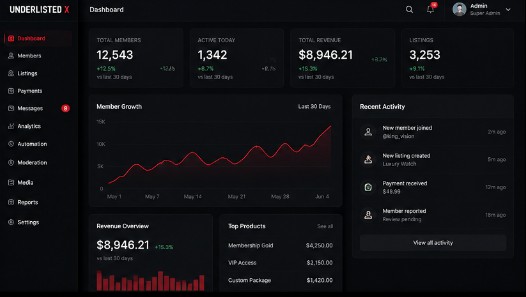
A connected Mini App ecosystem combining member tools, listings, content, payments, moderation, roles, reports, and administrative control.
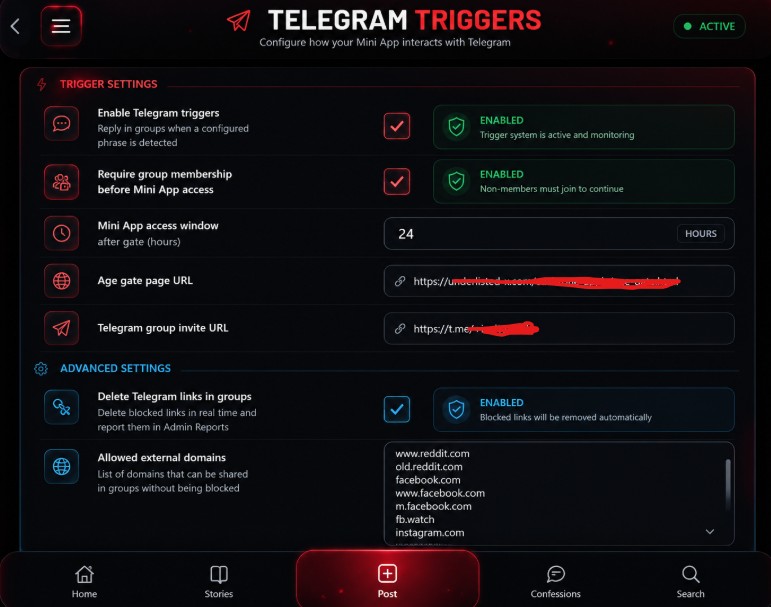
A configurable control system for creating triggers, actions, schedules, notifications, and member workflows without repeatedly changing application code.
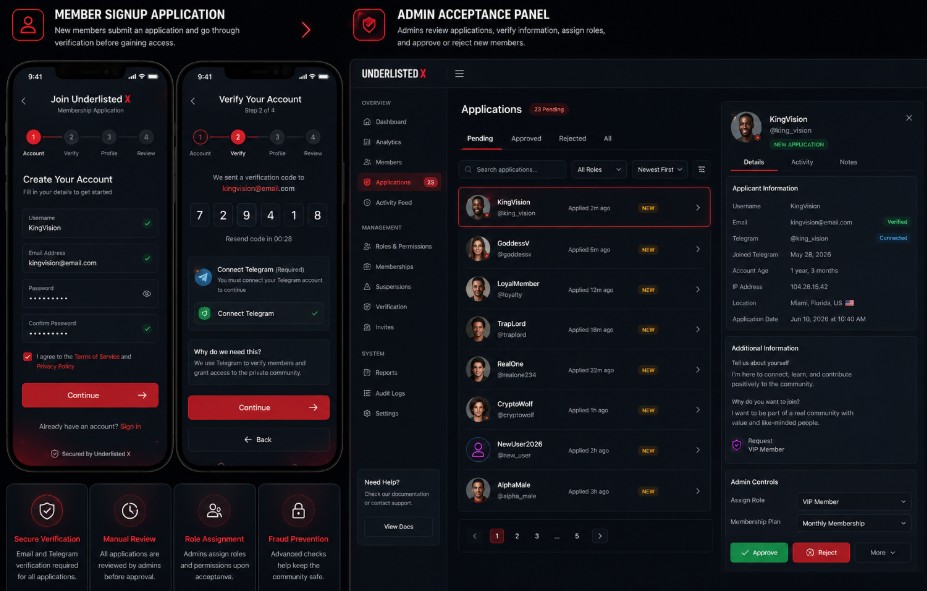
Secure onboarding with user linking, session renewal, role-based access, membership checks, suspension controls, and protected routes.
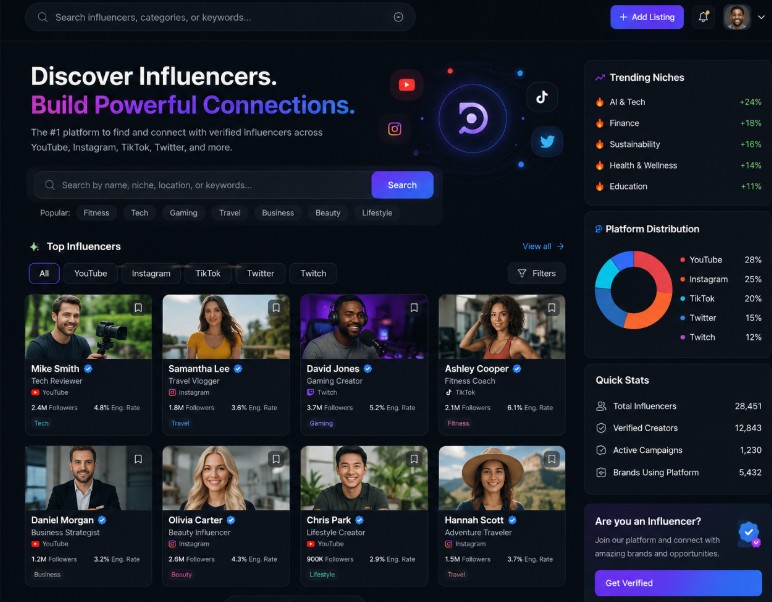
Searchable platforms for stories, creators, products, submissions, and indexed content with approval workflows, analytics, SEO, and responsive browsing.
Define the audience, business goal, workflows, risks, integrations, and success criteria.
Map the data, permissions, screens, APIs, security boundaries, and hosting environment.
Establish the visual direction, interaction model, responsive behavior, and critical flows.
Build in working stages with testable milestones, review points, and documented decisions.
Validate workflows, access controls, performance, mobile behavior, integrations, and production deployment.
Technology is selected around the product instead of trends. The priority is maintainability, predictable hosting, fast interfaces, and reliable behavior across modern and older devices.
Describe what you want to create, improve, automate, or connect. The project can then be broken into a realistic architecture, feature plan, and deployment path.